What Happens If You Stop Doing SEO? 8 Hidden Consequences Every Business Should Know
Many businesses invest in SEO for a few months, see some improvement in rankings, and then decide to stop because they believe the work is complete. Unfortunately, SEO doesn't work that way. Search engines constantly update their algorithms, competitors continue optimizing their websites, and customer search behavior keeps changing. If you completely stop your SEO efforts, your website can gradually lose the visibility you've worked so hard to achieve. Understanding these long-term effects can help you make better marketing decisions for your business.
SEO Is an Ongoing Process, Not a One-Time Task
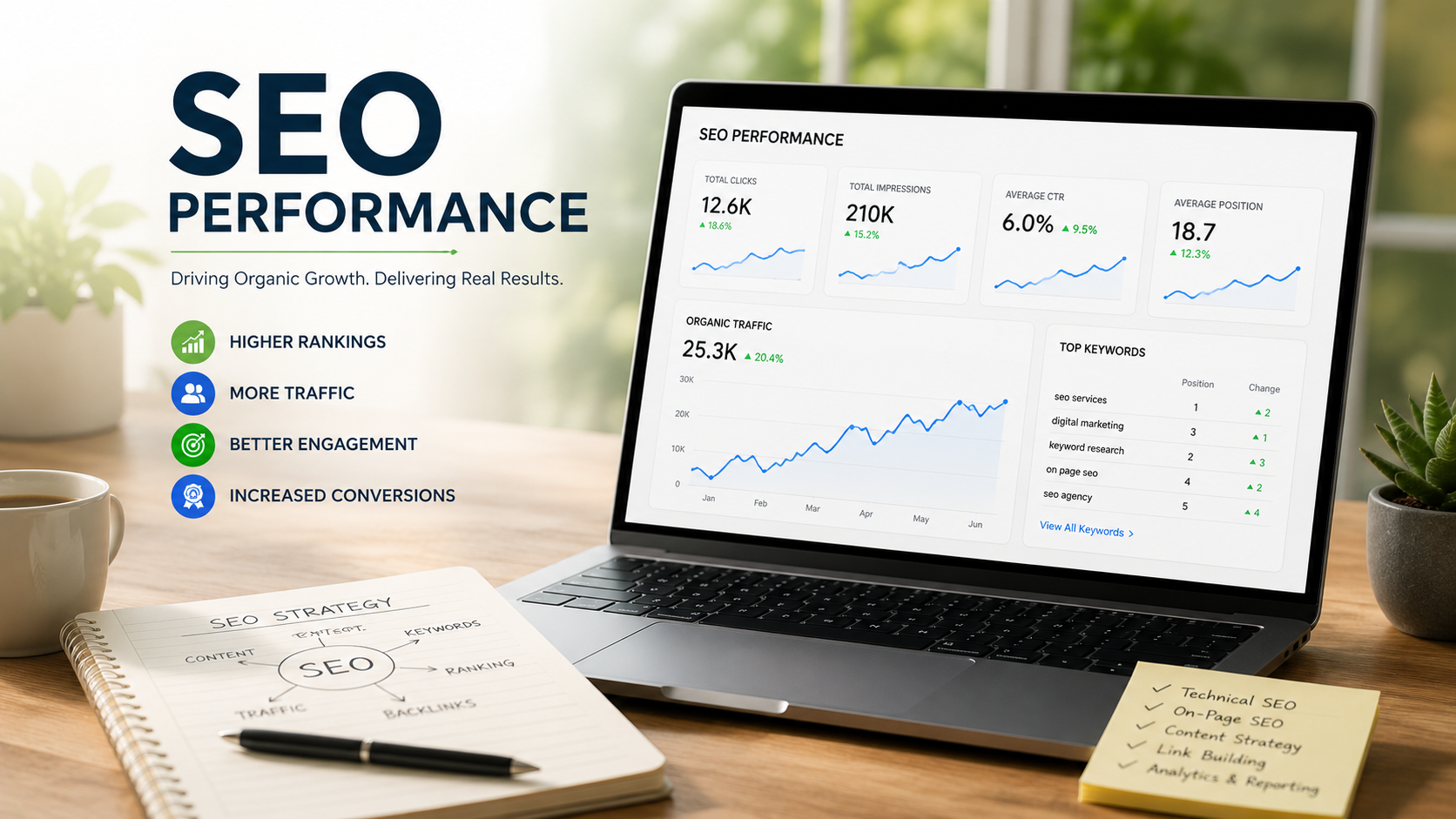
One of the biggest misconceptions about Search Engine Optimization is that once your website reaches Google's first page, the work is finished. In reality, SEO requires continuous improvement. Google updates its ranking algorithms thousands of times every year, competitors publish fresh content, websites improve their technical performance, and customer expectations evolve. If your website remains unchanged while others continue improving, your rankings can slowly begin to decline.
Think of SEO like maintaining a garden. Regular care keeps everything healthy and growing, but if maintenance stops completely, weeds begin to take over. The same principle applies to organic search visibility.
1. Your Google Rankings May Slowly Drop
The first noticeable effect of stopping SEO is a gradual decline in keyword rankings. Competitors who continue publishing quality content, earning backlinks and improving their websites will naturally move ahead. Google prefers websites that remain active and continue providing valuable information to users.
Ranking losses rarely happen overnight. Instead, your website may slowly move from the first page to the second or third page over several months. Since most users never go beyond the first page of search results, even a small ranking drop can significantly reduce your visibility.
2. Organic Website Traffic Begins to Decline
Lower rankings almost always lead to lower organic traffic. As fewer people discover your website through Google, you receive fewer visitors, fewer enquiries and fewer opportunities to generate new business. For companies that rely heavily on organic search, this decline can directly impact revenue.
Organic traffic is one of the most valuable sources of visitors because these users are actively searching for your products or services. Losing this traffic often means becoming more dependent on paid advertising.
3. Competitors Start Overtaking Your Business
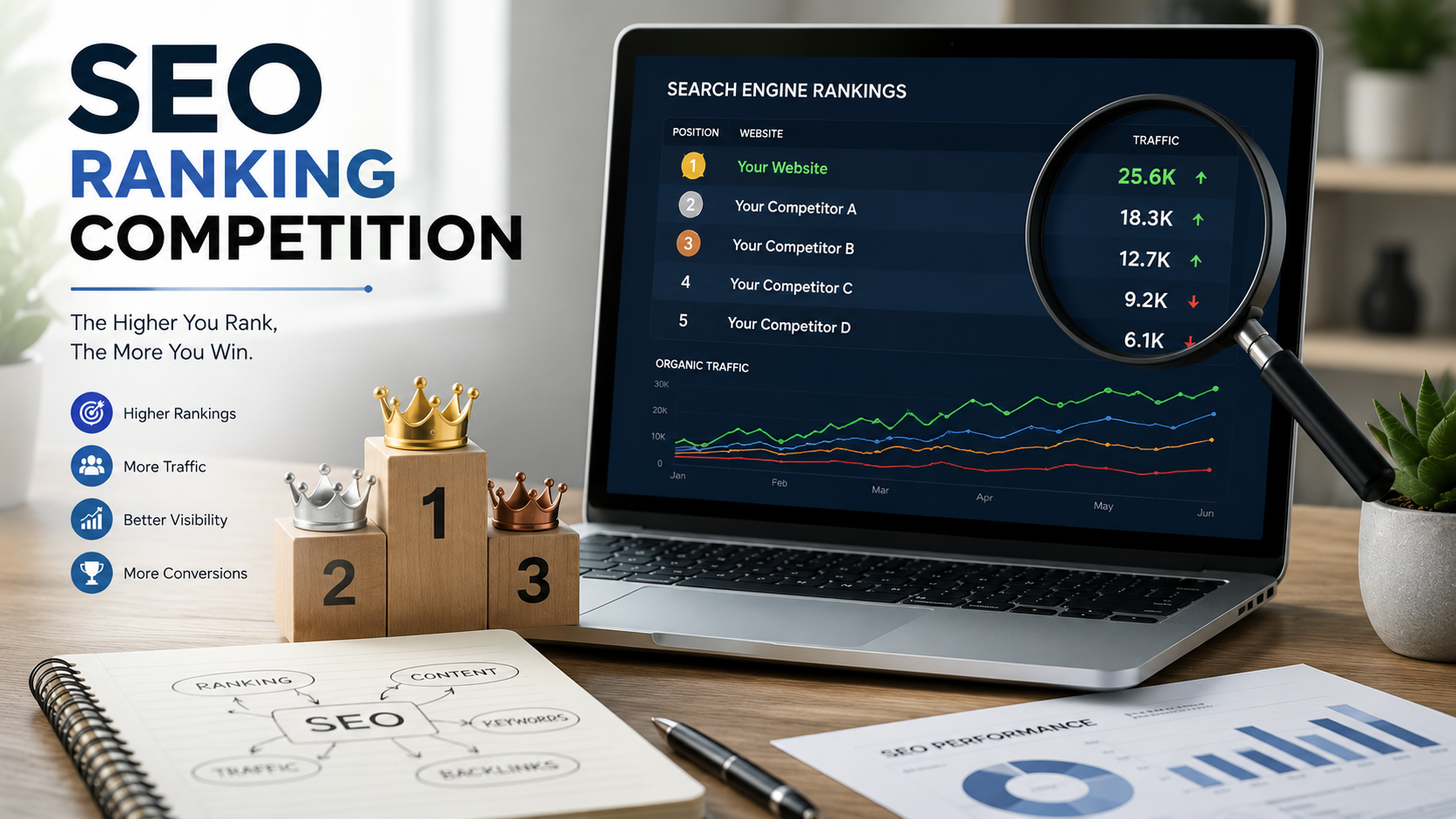
Your competitors are unlikely to stop investing in SEO. While your website stays unchanged, they continue publishing blogs, improving page speed, earning backlinks and targeting new keywords. Over time, Google begins recognizing their websites as more relevant and useful, pushing them above yours in search results.
This means potential customers who previously found your business may now discover your competitors instead. Once those rankings are lost, recovering them often requires significantly more time and effort than maintaining them in the first place.
4. Your Content Becomes Outdated
Search engines prefer fresh, accurate and relevant information. If your blog articles, service pages and website content remain unchanged for years, Google may consider them less useful compared to recently updated content from competitors.
Regularly updating existing pages with new statistics, industry trends, improved explanations and better internal links helps maintain their relevance. Businesses that stop SEO often stop updating content as well, making their websites appear outdated to both Google and potential customers.
5. Technical SEO Problems Begin to Accumulate
Websites require ongoing technical maintenance. Broken links, slow loading pages, indexing issues, duplicate content, outdated plugins and mobile usability problems can develop over time. Without regular SEO audits, these issues often go unnoticed and gradually affect your website's performance in search results.
Technical SEO is the foundation that allows Google to crawl, understand and rank your website effectively. Ignoring these technical factors can reduce both rankings and user experience, even if your content remains valuable.
6. You May Need to Spend More on Paid Advertising
When organic traffic starts declining, many businesses try to recover lost visitors by increasing their advertising budget. While Google Ads and social media ads can generate quick traffic, they require continuous spending. The moment you stop running ads, your visibility often disappears.
SEO works differently. A well-optimized website can continue attracting visitors for months with regular maintenance. Businesses that completely stop SEO often find themselves relying heavily on paid campaigns just to maintain the same number of enquiries they once received organically.
7. Customer Trust and Brand Authority Can Decline
People naturally trust businesses that appear prominently in Google search results. High rankings create credibility because users often associate top positions with authority and reliability. If your website gradually disappears from important searches, potential customers may begin choosing competitors that appear more visible and active online.
Consistent SEO is not only about rankings—it also strengthens your brand presence. Regular blog updates, optimized service pages and helpful content show both Google and your audience that your business continues to provide value.
8. Recovering Lost Rankings Takes Longer Than Maintaining Them
Many business owners assume they can simply restart SEO whenever they need more traffic. Unfortunately, recovering lost rankings is usually much harder than maintaining existing ones. Once competitors establish stronger authority and Google begins trusting their websites more, reclaiming those positions requires fresh content, technical improvements, backlink building and months of consistent optimization.
This is why SEO should be viewed as a long-term investment rather than a short-term marketing expense. Small, consistent improvements are far more effective than stopping completely and trying to rebuild everything later.
Final Thoughts
Stopping SEO does not usually cause an immediate collapse in rankings, but it often starts a slow decline that becomes difficult to reverse. Your website may lose visibility, competitors may overtake you, organic traffic can decrease and you may become increasingly dependent on paid advertising to generate leads.
The businesses that achieve sustainable online growth understand that SEO is an ongoing strategy. Regular technical improvements, updated content, keyword optimization and continuous monitoring help maintain rankings while supporting long-term business growth.
At Digital Meta Monk, we help businesses build sustainable SEO strategies that continue delivering results over time. Whether you're starting from scratch or looking to regain lost rankings, a consistent SEO approach can help your website remain competitive in an ever-changing digital landscape.