Introduction
If you run an online store in 2026, you might have noticed something strange: your traffic feels different. You might see your products mentioned in a Google AI Overview, but your actual clicks have dropped. This is the new reality of Ecommere SEO.
In 2026, Google no longer just lists blue links. It uses AI to answer questions directly on the search page. The "Google Shopping Graph" now connects your product data to user intent in real-time. If your startegy is still stuck in 2024, relying only on simple keywords, you are leaving money on the table. To survive and grow, stores must adapt to "Entity-Based SEO" and provide the unique data AI systems need to trust them.
1. The Shift: From Keywords to Entities
For years, SEO was about matching words. If a user typed "red running shoes" you optimized for those three words. Today, Google's AI understands the entity behind the search. It knows that "red runnig shoes" implies a need for durability, style, specific size availability, and perhaps eco-friendly materials.
The Google Shopping Graph is te engine behind this. It is a live, real-time model of the world's products. It connects your inventory directly to what a user is asking, bypassing traditional keyword matching.
To win in 2026, you must stop thinking in keywords and start thinking in Entities.
Old Way - Optimize a page for "best hiking boots".
New Way - Optimize your product entity for specific attributes like "waterproof", "mid-ankle support" and "recycled materials". This allows the AI to confidently recommend your product when a user asks a complex question like, "Are there waterproof hiking boots for wet trials under $100?"
2. Master Product Schema (The Foundation)

You cannot be cited by an AI overview If the ai doesn't understand your product. This is where Structured Data becomes your most critical asset.
Google's AI relies on Schema.org markup to extract facts. If your schema is incomplete, Your product is effectively invisible to the Shopping Graph. You must implement:
Product Schema Include name, image, description, SKU, brand, and offers (price, currency, availability).
AggregateRating Schema Star rating are not just for clicks; they are trust signals for AI algorithms.
BreadcrumbList Schema This helps the AI understand your site hierarchy and category structure.
Pro Tip Use Google's free "Rich Results Test" tool weekly. If your schema has errors, your product will not appear in AI-generated shopping answers.
3. Optimize for "Zero-Click" Commerce
AI Overviews often answer the query directly, meaning user don't click through to your site. To win here, you must provide unique, first-hand data that the AI cannot scrape from a genric manufacturer description.
Original Data Instead of saying "Made od cotton" say "Made from 100% recycled high-density polyethylene (HDPE) with a 15-year weather resistance guarantee".
Multimedia Integration Google's AI now "watches" videps. Include 15-second unboxing or feature-highlight videos on every product page. Studies show pages with video content drive 157% more organic traffic than only text listings.
Q&A Sections Add a "Common Questions" section to product pages. Answer specific queries "Does this jacket fit true to size?" This matches the conversational nature of voice and AI queries.
4. Technical SEO & Speed for the Shopping Graph
The Google Shopping Graph is a real-time. If your inventory data is outdated or your site is slow, you lose visibility instantly.
Feed Health Ensure Your Google Merchant Centre feed is updated early. Any discrepancy between your site price and your feed price can get up de-indexed.
Site Speed A 1-second delay can cause significant drop-offs. Use tools like Google PageSpeed Insights to keep load times under 2.5 seconds.
Mobile-First Over 60 per cent of product research happens on mobile. If your buttons are hard to tap or your images don't load fast on 4G, Google will demote you.
5. Leverage Voice and Visual Search
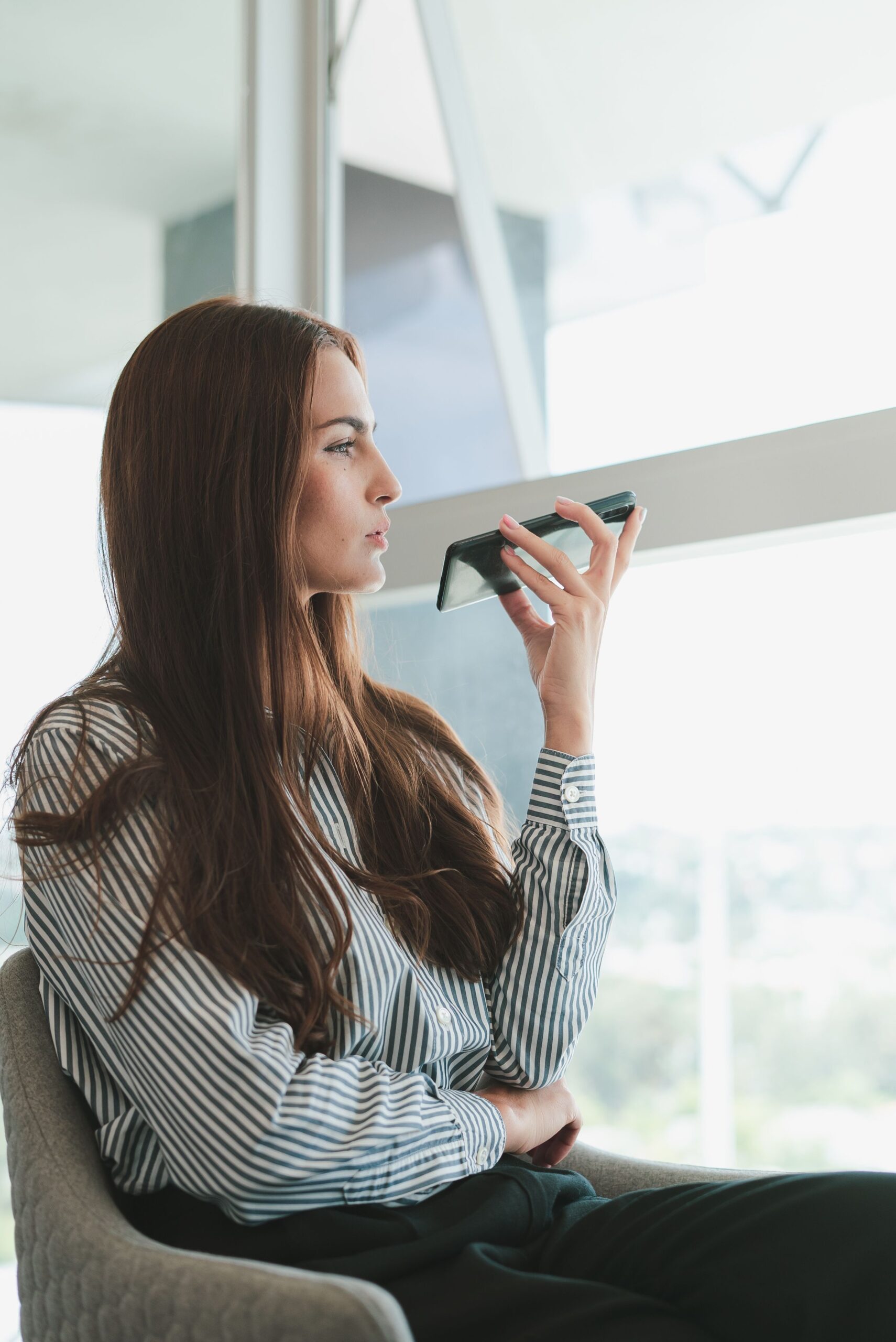
Voice search is no longer a novelty; It is a primary discovery method. 58% of Americans Aged 25-34 use voice search daily.
Voice Optimization Use natural language. Instead of "buy running shoes" optimise for "Where can I buy lightweight running shoes for flat feet?"
Visual Search Use high resolution images with descriptive file images (e.g., 'red-nike-running-shoes.jpg'). Google Lens can now Identify products from a photo and pull up your store directly.
Conclusion
SEO in 2026 Is not about tricking the algorithm; it is about being the most helpful, data-rich answer to a customer's question. By optimising for the Google shopping Graph, implementing Robust Schema, and creating original multimedia content, you position your brand as the authority Google's AI trust.
The stores that win in 2026 are the ones that treat SEO as a revenue engine, not just a traffic source.